Does GABA Supplement Use Cause Liver Damage and How to Avoid It
You won’t likely harm your liver if you use GABA supplements at recommended doses, as there’s no strong evidence linking them to liver damage. GABA supplement use is generally considered safe for the liver when taken responsibly.
However, it’s important to understand how to avoid potential risks associated with excessive intake. To stay safe, avoid high doses and limit use to under four weeks without medical advice.
Watch for symptoms like jaundice or fatigue, which could indicate liver issues. If you have pre-existing liver problems or take other medications, consult your doctor before starting GABA supplements.
Routine liver tests can help monitor your liver health during supplementation. Keep these tips in mind, and you’ll find more ways to protect your liver while benefiting from GABA.
Responsible use ensures you enjoy the advantages without compromising your liver’s well-being.
Key Takeaways
- GABA supplements at recommended doses do not cause liver damage or elevate liver enzymes in healthy individuals.
- Avoid high doses above 3 grams daily and prolonged use beyond four weeks without medical advice to minimize liver stress.
- People with liver disease or on hepatotoxic drugs should consult a doctor before using GABA supplements.
- Monitor liver function with blood tests and watch for symptoms like jaundice, fatigue, or abdominal pain during supplementation.
- Prefer natural GABA sources (fermented foods, herbal teas) and maintain healthy lifestyle habits to support liver health.
What Is GABA and How Is It Used as a Supplement?
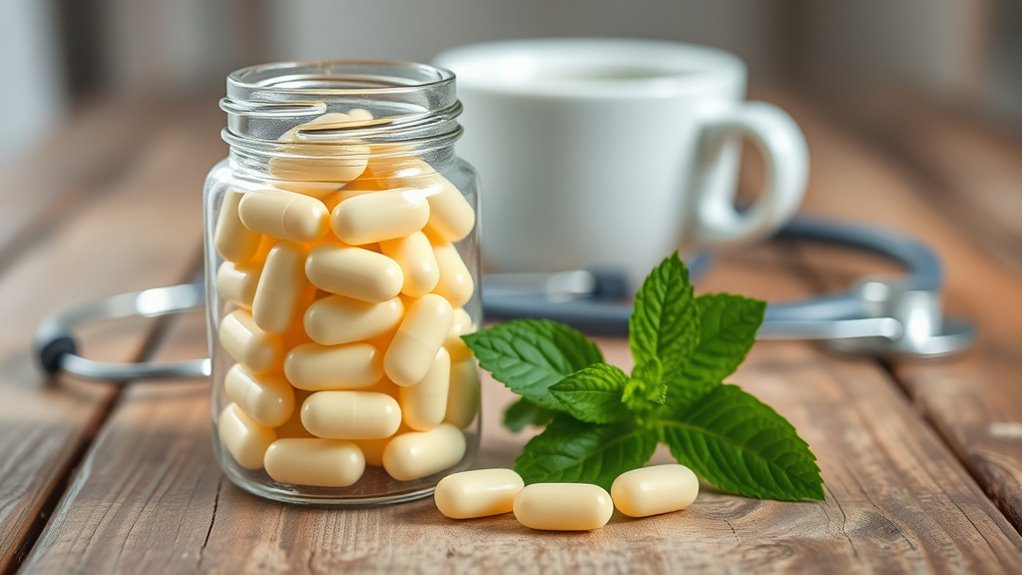
GABA, or gamma-aminobutyric acid, is a key inhibitory neurotransmitter in your brain that helps regulate nerve activity. As a supplement, GABA is often taken to promote relaxation, reduce stress, improve sleep quality, and lower blood pressure. You’ll find it in capsule or powder form, usually produced through fermentation.
While many use GABA supplements for these benefits, it’s important to note that scientific evidence supporting its ability to cross the blood-brain barrier and directly affect your brain remains limited. Generally, GABA supplements are considered safe at recommended doses, with few reported side effects. Concerns about liver damage from GABA supplements are minimal, but it’s always wise to consult a healthcare professional before starting any new supplement regimen.
Can GABA Supplements Cause Liver Damage or Toxicity?
Although concerns about supplements causing liver damage are common, current research doesn’t show that GABA supplements lead to liver toxicity. GABA, a natural neurotransmitter, has a favorable safety profile when taken at recommended doses, with no well-documented cases linking it to hepatotoxicity or elevated liver enzymes. While extremely high doses (above 5 grams daily) might cause mild side effects, they’re unlikely to result in liver damage.
Still, supplement safety is vital, especially if you have pre-existing liver conditions. It’s always best to consult a healthcare professional before starting GABA supplements to minimize any risk. Overall, based on available evidence, GABA supplements don’t pose a significant threat of liver damage or toxicity when used responsibly.
Signs and Symptoms of Liver Injury From Supplements
If you start noticing symptoms like jaundice, dark urine, or abdominal pain while taking supplements, it could be a sign of liver injury. Early symptoms may include fatigue, nausea, and loss of appetite. Elevated liver enzymes, such as ALT and AST, detected in blood tests often confirm liver damage.
Severe liver injury might cause confusion, bleeding, or abdominal swelling, which need immediate medical attention. Monitoring your symptoms throughout supplement use is vital.
| Symptom | Description | Severity Level |
|---|---|---|
| Jaundice | Yellowing of skin/eyes | Moderate to Severe |
| Dark Urine | Tea-colored urine | Moderate |
| Abdominal Pain | Discomfort in upper abdomen | Mild to Moderate |
| Fatigue | Unusual tiredness | Mild |
| Elevated Liver Enzymes | Detected via blood test | Diagnostic |
Who Is at Higher Risk for Liver Problems When Taking GABA?
Not everyone faces the same risk of liver problems when taking GABA supplements. If you have pre-existing liver disease or compromised liver function, your liver is more vulnerable to damage from these supplements. Taking high doses of GABA or mixing them with other substances that strain the liver increases your risk further.
You should also be cautious if you have genetic factors affecting how your body processes drugs, as this can heighten liver stress. Additionally, if you’re on medications that influence liver enzymes, combining them with GABA supplements might worsen liver strain.
When to Stop GABA Supplements and Seek Medical Help
When you start noticing symptoms like jaundice, severe abdominal pain, or dark urine while taking GABA supplements, you should stop them immediately and seek medical help. These symptoms may signal liver injury, which requires prompt evaluation.
If you experience unexplained fatigue, nausea, or have elevated liver enzymes during supplementation, it’s important to discontinue GABA and consult a healthcare professional. Although liver damage from GABA is rare, individual sensitivities or interactions with other medications can increase your risk.
Don’t wait to get medical help if these signs appear. Also, if you’re using GABA for a medical condition, talk to your doctor before stopping to ensure a safe discontinuation plan. Acting quickly can protect your liver and overall health.
How to Use GABA Supplements Safely to Protect Your Liver
To protect your liver while using GABA supplements, stick to the recommended dosage of up to 3 grams per day. Keep an eye on how you feel and watch for any unusual symptoms like fatigue or stomach upset.
If you have liver issues or take other medications, talk to your healthcare provider before starting GABA.
Recommended Dosage Guidelines
Although GABA supplements can offer benefits, using them safely is essential to protect your liver. Following recommended dosage guidelines is key: the typical safe daily dose is up to 3 grams, split into three 750 mg doses. However, it’s best to start low, around 150-300 mg daily, to gauge your body’s response and reduce liver stress.
Avoid exceeding four weeks of use without medical advice to minimize the risk of adverse effects. Always follow the manufacturer’s instructions and consult a healthcare professional before increasing your dose, especially if you have liver issues. If you notice symptoms like fatigue, stomach upset, or allergic reactions, stop taking GABA supplements immediately to prevent potential liver damage or other complications.
Monitoring Liver Health
How can you guarantee your liver stays healthy while taking GABA supplements? The key is monitoring liver health regularly. Although GABA is generally safe, high doses or long-term use can strain your liver function.
To protect yourself, get blood tests to check liver enzymes like ALT levels periodically. Elevated ALT can signal liver stress, so keeping an eye on these markers helps catch issues early. Always stick to the recommended dosage—usually no more than 3 grams daily—and avoid mixing GABA with other substances that might harm your liver unless your doctor advises otherwise.
If you have existing liver problems or plan on long-term use, consult your healthcare provider for personalized guidance and routine liver function assessments to ensure safe supplementation.
Medications and Conditions That Increase Liver Risk With GABA
If you’re taking medications known to affect the liver, like valproate or benzodiazepines, adding GABA supplements could raise your risk of liver damage. Those with liver conditions such as hepatitis or cirrhosis need to be especially careful since their liver function is already impaired.
Always check with your healthcare provider before combining GABA with other drugs to avoid harmful interactions.
Common Hepatotoxic Drugs
When you take GABA supplements alongside certain hepatotoxic drugs like acetaminophen or isoniazid, your liver faces a higher risk of injury. These medications have known hepatotoxic profiles that can interfere with liver metabolism, increasing the chance of hepatotoxicity when combined with GABA supplements. Drugs such as amiodarone also contribute to this risk by impairing hepatic function or altering enzyme activity.
If you’re on these hepatotoxic drugs, using GABA requires caution since the combination may elevate liver enzyme levels and worsen liver injury. It’s essential to consult your healthcare provider before starting GABA supplements, especially if you’re taking medications known for liver toxicity, to avoid compounding hepatotoxic effects and protect your liver’s health.
Liver Conditions Impact
Although GABA supplements are generally safe, you should be cautious if you have liver conditions or take medications that strain your liver. Pre-existing issues like hepatitis, cirrhosis, or metabolic disorders such as fatty liver disease can impair your liver function, making it harder to process GABA supplements efficiently. This may increase your risk of hepatic injury or liver damage.
Additionally, if you’re on hepatotoxic drugs like acetaminophen or isoniazid, combining these with GABA can heighten the workload on your liver, potentially worsening liver conditions. To avoid adverse effects, it’s essential to consult your healthcare provider before starting GABA supplements, especially if you have known liver problems or take medications that affect liver function. Close monitoring can help prevent serious hepatic complications.
How to Monitor Liver Health While Using GABA Supplements
Since your liver plays a crucial role in processing supplements, you should regularly monitor liver function tests (LFTs) like ALT, AST, bilirubin, and alkaline phosphatase while using GABA supplements. Monitoring these markers helps detect early signs of hepatic stress or damage.
To protect your liver health, follow these steps:
- Schedule routine blood tests to check liver function tests, focusing on ALT levels as a key indicator.
- Watch for symptoms like jaundice, abdominal pain, or unusual fatigue, and seek medical advice if they appear.
- Avoid exceeding recommended GABA dosages and limit alcohol intake, especially if you have prior liver issues.
Gabapentin vs. GABA: Differences and Liver Risks
Keeping an eye on your liver health is important if you’re using GABA supplements, but it’s also helpful to understand how GABA compares to gabapentin, especially regarding liver risks. Gabapentin is a prescription drug mainly cleared by your kidneys, which means it has minimal impact on your liver and a low risk of hepatotoxicity.
On the other hand, GABA supplements aren’t extensively metabolized by the liver and lack documented cases of liver damage. While gabapentin’s safety profile concerning the liver is well established, GABA’s potential for hepatotoxicity remains minimal or unconfirmed.
Alternatives to GABA Supplements With Lower Liver Impact Risk
If you want to support your GABA levels without stressing your liver, turning to natural sources can be a smart choice. Dietary sources rich in GABA offer liver safety advantages over concentrated supplement alternatives. Here are three effective options:
- Incorporate GABA-rich foods like kimchi, miso, and fermented soy products into your meals, providing natural GABA without burdening your liver.
- Enjoy herbal teas such as green, black, or oolong, which contain GABA precursors to promote calmness with minimal liver impact.
- Focus on whole-food dietary sources instead of high-dose supplements, reducing the risk of hepatotoxicity linked to synthetic forms.
Always consult a healthcare provider to tailor safe, liver-friendly strategies that fit your health needs.
Frequently Asked Questions
Is GABA Hard on the Liver?
GABA isn’t typically hard on your liver if you use it responsibly. Most healthy people don’t experience liver problems from GABA supplements alone. Just make sure you stick to the recommended doses and avoid mixing it with other substances that might stress your liver.
If you have pre-existing liver issues, it’s best to check with your doctor first. Keeping an eye on your overall liver health helps you stay safe while using GABA.
What Is the Best Supplement to Repair Your Liver?
The best supplement to repair your liver is milk thistle, thanks to its powerful antioxidant and anti-inflammatory effects. You might also consider N-acetylcysteine (NAC) to boost your liver’s glutathione levels, aiding detoxification. Herbs like dandelion root and artichoke extract can support liver regeneration and bile flow.
Additionally, omega-3 fatty acids help reduce inflammation. Always talk with your doctor before starting any supplement to guarantee it’s safe for you.
Is It Safe to Take GABA Supplements Long Term?
Yes, it’s generally safe to take GABA supplements long term if you stick to the recommended doses. You shouldn’t worry much about liver damage unless you take very high amounts or have existing liver issues.
To be safe, you should avoid overdoing it and check with your doctor before starting or continuing long-term use, especially if you have health concerns. Following dosing guidelines helps minimize any risks.
What Supplements Should You Avoid if You Have Liver Disease?
If you have liver disease, you should avoid high-dose GABA supplements and herbal products like kava, green tea extract, or licorice, as they may stress your liver. Steer clear of supplements containing acetaminophen or other hepatotoxic ingredients.
Also, be cautious with so-called hepatoprotective supplements without regulatory approval. Always check labels carefully and consult your healthcare provider before taking any supplement to prevent worsening liver function or harmful interactions.
Conclusion
If you think GABA supplements are harmless, think again—your liver might be telling a different story. While many tolerate GABA well, some face hidden risks that could lead to liver damage. It’s important to be aware of these potential dangers.
You’ve got the power to protect yourself: know the signs, monitor your health, and consult your doctor before continuing. Early detection of liver issues can prevent serious complications. Don’t ignore symptoms like jaundice, fatigue, or abdominal pain.
After all, isn’t your well-being worth more than a quick fix? Don’t gamble with your liver—choose caution and care. By understanding whether GABA supplement use causes liver damage, you can make safer choices for your health.