
How Melatonin Supplements Are Made Step by Step
You’ll find melatonin supplements mainly made through synthetic chemical synthesis, a process that starts with aromatic precursors. These precursors are methylated to form melatonin, a hormone crucial for regulating sleep cycles.
This synthetic approach ensures a consistent and pure product.
After synthesis, the melatonin is purified using filtration and chromatography techniques to remove impurities, ensuring high purity. Then, manufacturers formulate it into various forms such as gummies or tablets. They add stabilizers and bioavailability enhancers to improve effectiveness.
Rigorous quality control and testing confirm consistent dosage and safety of the final supplements.
If you want to know how raw materials, manufacturing steps, and regulations come together, there’s more to explore. Understanding this process highlights the care taken to produce safe and effective melatonin products.
Key Takeaways
- Melatonin is primarily synthesized chemically using aromatic precursors and controlled catalysts to ensure high purity and pharmaceutical-grade safety.
- Purification involves filtration, chromatography (HPLC), and recrystallization to remove impurities and achieve over 99% purity.
- Manufacturers combine purified melatonin with excipients and bioavailable carriers to enhance stability, absorption, and dosing accuracy.
- The mixture is formulated into delivery forms like tablets, gummies, or liquids, considering flavor, texture, and consumer preferences.
- Final products undergo rigorous quality control, testing for purity, contaminants, and potency, with certification from regulatory agencies before packaging.
What Is Melatonin and Why Do People Supplement It?
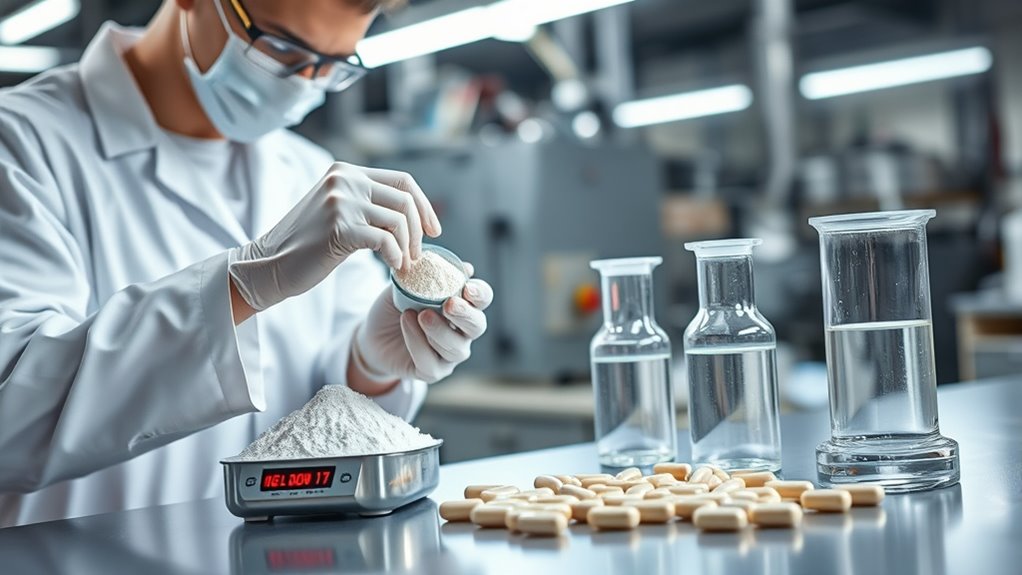
Although melatonin is naturally produced in your body to regulate sleep-wake cycles, many people choose to take it as a supplement to improve their sleep quality. Melatonin synthesis starts from the amino acid tryptophan and involves several enzymatic steps in your pineal gland. However, factors like aging, shift work, or jet lag can disrupt this natural process, leading to sleep difficulties.
That’s why you might consider melatonin supplements—they help reset your circadian rhythm and promote better sleep. These supplements are made synthetically or through biotechnological methods, ensuring consistent purity. By taking melatonin supplements, you can effectively manage sleep disorders like insomnia or shift work sleep disorder, helping you get the restful sleep you need to feel refreshed.
Common Sources of Melatonin for Supplements
There are three main sources of melatonin used in supplements: synthetic production, animal-derived extraction, and bacterial fermentation. Most supplements rely on the synthetic synthesis process, which uses carefully selected raw materials like 5-methyltryptamine to produce melatonin with high purity and consistency. This method dominates melatonin production due to its safety and scalability.
Animal-derived melatonin, once common and sourced from cow or pig pineal glands, is now rare because of ethical and safety concerns. More recently, bacterial fermentation has emerged as an innovative alternative, using genetically engineered bacteria to convert raw materials into melatonin efficiently and sustainably. Each source affects the quality and regulatory aspects of the final supplement, but synthetic production remains the preferred method in the industry today.
Differences Between Synthetic, Animal-Derived, and Bacterial Melatonin
When choosing melatonin supplements, it helps to understand how they’re made and where they come from. Synthetic melatonin is chemically produced for high purity, while animal-derived sources come from gland extractions, now rarely used due to safety concerns.
Bacterial melatonin, made through fermentation with engineered microbes, offers a clean, sustainable alternative you might want to contemplate.
Melatonin Production Methods
How exactly is melatonin produced, and what sets the different methods apart? In melatonin production, chemical synthesis is the most common approach, where pure melatonin is created through a precise synthesis process using precursors like 5-methyltryptamine. This method guarantees consistent quality and dosage control.
Animal-derived melatonin, once sourced from cow or pig pineal glands, is now rare due to safety and ethical concerns. Alternatively, bacterial production uses genetically engineered bacteria to ferment and produce melatonin sustainably. This eco-friendly method is gaining traction for large-scale manufacturing thanks to advances in biotechnology.
Each production method impacts purity, scalability, and safety, but chemical synthesis and bacterial biosynthesis currently dominate the market for delivering reliable, pure melatonin supplements.
Source Comparison Overview
Understanding the differences between synthetic, animal-derived, and bacterial melatonin can help you appreciate why certain methods dominate the market today. Synthetic melatonin is created through a precise production process starting with chemical precursors like 5-methyltryptamine, resulting in high purity and consistent quality.
In contrast, animal-derived melatonin, once sourced from pineal glands of cows or pigs, is now rare due to safety risks and ethical concerns. Bacterial synthesis uses genetically engineered microbes to produce melatonin sustainably and without contaminants.
Compared to animal sources, both synthetic melatonin and bacterial synthesis offer superior purity and eliminate risks of pathogen transmission and variability. This is why these methods have become the preferred production choices for pharmaceutical-grade melatonin supplements you find today.
How Synthetic Melatonin Is Made
Although melatonin naturally occurs in the body, the synthetic version you find in supplements is carefully crafted through a series of chemical reactions starting with simple organic compounds. Synthetic melatonin production begins with chemical synthesis of aromatic precursors like 5-methyltryptamine using controlled catalysts. These intermediates undergo enzymatic or chemical methylation to form melatonin with high purity and specificity.
Throughout the process, strict quality control guarantees the chemical synthesis proceeds efficiently and safely. While purification techniques such as chromatography and crystallization follow next to remove residual impurities, the initial synthesis phase is vital for producing melatonin of pharmaceutical-grade quality. This careful approach guarantees the synthetic melatonin in your supplements meets rigorous standards for potency and safety before entering the final purification process.
How Melatonin Is Purified: Filtration and Chromatography
Before melatonin can be used in supplements, it has to be thoroughly purified to remove impurities and unwanted substances. The purification process starts with filtration, which removes insoluble impurities and particulates from the crude or synthesized melatonin.
After filtration, chromatography techniques like high-performance liquid chromatography (HPLC) separate melatonin from residual solvents, precursors, and byproducts based on their molecular properties. During chromatography, purified melatonin is collected in fractions, ensuring contaminants are left behind.
This step is often repeated along with recrystallization to boost purity above 99%. The combination of filtration and chromatography guarantees that the melatonin you get is clean and suitable for use in supplements, meeting pharmaceutical standards for safety and quality without unwanted substances.
How Melatonin Purity Is Tested and Ensured
Once melatonin has been purified through filtration and chromatography, testing its purity becomes the next step to guarantee safety and effectiveness. You’ll see purity testing primarily involves high-performance liquid chromatography (HPLC), which detects impurities and confirms the accurate concentration of melatonin. Additionally, gas chromatography-mass spectrometry (GC-MS) is used to verify the molecular structure and further assure purity.
Throughout manufacturing, strict quality control tests catch contaminants like heavy metals, solvents, or microbes. To meet regulatory standards, samples undergo certification by agencies such as the FDA or independent labs. Finally, batch-specific purity reports and certificates of analysis (COA) are issued, so you know the melatonin supplement you get meets precise purity and safety criteria before it reaches you.
Formulating Melatonin Into Capsules, Tablets, and Gummies
When you’re formulating melatonin supplements, capsules and tablets require precise dosing and careful mixing with binders or fillers. Gummies, on the other hand, need flavorings and stabilizers to create a palatable and stable product.
Let’s explore how these different forms are produced to maintain quality and effectiveness.
Capsule And Tablet Production
Although melatonin supplements come in various forms, capsules and tablets are among the most common due to their convenience and precise dosing. The production process starts by blending purified melatonin powder with excipients like fillers, binders, and disintegrants to assure proper consistency and absorption.
Then, the mixture is either compressed into tablets or filled into capsules using specialized machines for accuracy. Quality control tests verify uniform melatonin content and dissolution rates, ensuring safety and efficacy. Finally, the products are sealed in moisture-resistant containers with clear dosage instructions.
Here’s a quick overview of capsule and tablet production steps:
- Blend melatonin with excipients for uniformity
- Compress or encapsulate precise doses
- Conduct quality control and package supplements
This process guarantees reliable melatonin capsules and tablets every time.
Gummy Formulation Techniques
If you’re looking to enjoy melatonin in a tasty, chewable form, gummies offer a popular alternative to capsules and tablets. The gummy formulation starts by blending melatonin with a gelatin or pectin base, guaranteeing even melatonin incorporation throughout. To make them appealing, flavorings like cherry or lemon balm extract and sweeteners are added, enhancing taste and supporting sleep.
This mixture is then poured into molds and cooled, solidifying into gummies with precise dosages. Some manufacturers improve bioavailability by using coated or microencapsulated melatonin. Throughout the process, rigorous quality control checks for accurate melatonin content, uniformity, and stability to guarantee each gummy delivers consistent efficacy and safety.
This careful approach ensures you get a reliable, enjoyable melatonin supplement in gummy form.
Selecting Excipients to Boost Stability and Absorption
Because melatonin is sensitive to environmental factors like moisture and light, choosing the right excipients is crucial to maintaining its stability and guaranteeing effective absorption. You’ll want to focus on excipients that enhance both stability and bioavailability for the best results. Here are three key considerations:
Choosing excipients that protect melatonin from moisture and light is vital for stability and absorption.
- Use stabilizers like antioxidants (e.g., ascorbic acid) and coating agents such as hydroxypropyl methylcellulose to protect melatonin from oxidation, moisture, and light exposure.
- Incorporate excipients like microcrystalline cellulose and magnesium stearate to improve tablet uniformity and physical stability.
- Add bioavailability enhancers such as piperine or cyclodextrins to boost melatonin absorption in the gastrointestinal tract, ensuring rapid dissolution and maximum effect.
Selecting excipients with these properties ensures your melatonin supplement remains potent and effective from manufacture through use.
Sterilization and Packaging of Melatonin Supplements
When you’re making melatonin supplements, sterilization methods like gamma irradiation help keep them free from microbes without damaging the active ingredient. Choosing the right packaging materials, such as amber bottles or blister packs, is key to protecting the product from light and moisture.
You’ll also need to guarantee proper sealing and tamper-evident features to maintain product integrity throughout storage and shipping.
Sterilization Techniques Used
Although you might not see it, sterilization plays a crucial role in guaranteeing melatonin supplements are safe and effective. During manufacturing, strict GMP standards are upheld to prevent microbial contamination, using sterilized equipment and cleanroom conditions. The sterilization techniques used include:
- Gamma irradiation or ethylene oxide gas to eliminate microbes without harming melatonin’s active ingredients.
- Sterilization validation through microbial testing to confirm product safety before distribution.
- Sterilizing packaging materials via autoclaving or UV sterilization to avoid contamination after production.
These steps ensure the supplements remain pure and effective, especially for liquid or chewable forms prone to microbial growth. Proper sterilization is essential to deliver a safe, high-quality melatonin product you can trust.
Packaging Material Selection
Since melatonin is sensitive to light and moisture, choosing the right packaging materials is key to keeping your supplements effective. You’ll want inert, non-reactive substances like amber glass or high-quality plastic that prevent chemical interactions. To avoid contamination, packaging components undergo sterilization, often using gamma irradiation or ethylene oxide treatment, which kills microbes without harming the materials.
The packaging also needs moisture barriers and UV protection to maintain melatonin’s stability by blocking humidity and light. Plus, labels must meet regulatory standards, clearly showing dosage, expiration, batch numbers, and storage instructions. Finally, packaging is completed in controlled environments with filtered air to further reduce contamination risks, ensuring your melatonin supplements remain safe and potent until they reach your hands.
Ensuring Product Integrity
To keep your melatonin supplements effective and safe, strict sterilization and careful packaging are vital. During manufacturing, sterilization methods like gamma irradiation or sterile filtration eliminate microbes without harming melatonin. Quality control ensures contamination is prevented and verifies sterility before products reach you.
Packaging plays an essential role in maintaining product integrity by blocking moisture, light, and air.
Here are the key steps involved:
- Sterilization processes comply with Good Manufacturing Practices to prevent contamination.
- Packaging materials with excellent barrier properties protect supplement stability.
- Tamper-evident seals and proper closures guarantee safety during storage and transport.
Ensuring Consistent Dosage in Melatonin Products
When you rely on melatonin supplements, you want to be sure each dose delivers exactly what’s promised. Standardization in manufacturing and strict quality control are key to consistent dosage. High-precision equipment measures melatonin carefully, while Good Manufacturing Practices minimize variability.
Each batch undergoes rigorous testing, like HPLC analysis, to confirm melatonin concentration stays within a 5% variance. Whether in gummies or tablets, accurate dosing during formulation ensures effectiveness.
| Process Step | Purpose |
|---|---|
| Standardized mixing | Uniform distribution of melatonin |
| Precision measurement | Accurate dosage control |
| Formulation dosing | Correct active ingredient amount |
| Laboratory testing | Verify purity and concentration |
| Quality control checks | Guarantee batch-to-batch consistency |
Regulatory Standards for Melatonin Supplement Manufacturing
Although you might not see it, melatonin supplements are produced under strict regulatory standards to guarantee their quality and safety. These rules ensure you get a reliable and safe product every time. Here’s what manufacturers must follow:
- Good Manufacturing Practices (GMP): This framework ensures facilities maintain cleanliness, proper equipment, and consistent processes.
- Ingredient Purity: Raw melatonin and other components must exceed 99% purity, verified by rigorous testing.
- Labeling Requirements: Accurate dosage, batch numbers, expiration dates, and ingredient lists are mandatory for transparency and consumer safety.
Additionally, stability testing confirms the supplement maintains potency throughout its shelf life. Regulatory standards keep you confident that the melatonin supplement you take meets high-quality benchmarks and is safe to use.
What To Look For When Buying Melatonin Supplements?
Since melatonin supplements vary widely, it’s important you know what to look for to get a safe and effective product. First, choose supplements made from synthetic melatonin, the most reliable and pure source. Check the dosage per serving—usually between 1 mg and 10 mg—and pick the amount that suits your sleep needs or medical advice.
Carefully review ingredient labels to avoid fillers, artificial flavors, or preservatives; aim for products with clean, minimal ingredients. Also, consider the form you prefer, like gummies, tablets, or liquids, for ease of use. Finally, verify quality certifications and third-party testing to guarantee safety, potency, and absence of contaminants.
These steps help you find trustworthy melatonin supplements that support your health effectively.
How Manufacturing Affects Melatonin Supplement Effectiveness
Choosing the right melatonin supplement is just part of the process; understanding how it’s made can help you get the most out of it. Manufacturing directly impacts the supplement’s purity, formulation, and ultimately its effectiveness.
Here’s what matters most:
- Purity and Quality Control: High purity raw materials combined with strict quality control ensure minimal impurities, enhancing safety and consistent potency.
- Formulation: Accurate dosing and the use of bioavailable carriers improve how well your body absorbs melatonin, boosting its effectiveness.
- Bioavailability and Delivery Form: Whether it’s gummies, tablets, or liquids, the delivery form affects absorption rates, so choosing a well-manufactured form maximizes benefits.
Frequently Asked Questions
How Are Melatonin Supplements Made?
You get melatonin supplements by starting with serotonin, which comes from tryptophan. It goes through several chemical steps to become pure melatonin. After that, it’s carefully purified to remove any impurities.
Then, the melatonin is made into different forms like pills or gummies, depending on what you prefer. Finally, quality checks guarantee it’s safe and accurately labeled before packaging, so you’re getting a reliable supplement.
How to Create Your Own Melatonin?
Creating your own melatonin is like trying to bake a cake without a recipe — it’s tricky and not recommended. You’d need specialized chemicals, lab equipment, and knowledge of organic chemistry to synthesize it safely.
Instead, it’s much safer and easier to buy melatonin supplements made under strict quality controls. Trying to make it yourself risks contamination and incorrect dosages, which could be harmful to your health.
Can Melatonin Cause Migraines?
Yes, melatonin can cause migraines, especially if you’re sensitive to it or take high doses. It affects blood vessel dilation, which might trigger headaches in some people.
If you have a history of migraines, melatonin might worsen them. It’s best to start with a low dose and watch how your body reacts.
If migraines increase, you should talk to a healthcare professional before continuing the supplement.
What Are the Ingredients of Melatonin?
Melatonin mainly means manufactured melatonin, mostly made synthetically. You’ll find the primary pigment paired with fillers, flavorings, or flow-enhancers like microcrystalline cellulose or magnesium stearate. Sometimes, supplements sneak in soothing supplements such as valerian or chamomile extracts.
If you choose gummies or liquids, sweeteners and stabilizers sweeten and sustain shelf life. Dosages differ, usually dancing between 0.5 mg to 10 mg, tailored to your intended use.
Conclusion
So, now you know your melatonin might come from a lab, a cow, or even some bacteria throwing a midnight party. Who knew your sleep aid had such an identity crisis?
But hey, as long as the dosage is spot-on and it passes those fancy tests, you’re good to snooze. Just remember to read the label—because trusting random powders is so 2023.
Sweet dreams, and may your supplements be as reliable as your Wi-Fi! When choosing melatonin supplements, always check the source and quality to ensure you get the best sleep aid possible.