How You Can Safely Take Too Much Potassium Supplement
You shouldn’t take more than the recommended potassium dose without medical advice, usually up to about 3,900 mg daily from supplements. Taking too much potassium can be dangerous, leading to serious health problems. Knowing how you can safely take too much potassium supplement is crucial to avoid these risks.
Watch for early overdose signs like muscle weakness, tingling, or irregular heartbeat, and get medical help immediately if they appear. Keep track of all potassium sources, have regular blood tests, and consult your healthcare provider before changing doses or combining supplements.
Understanding these precautions can help you use potassium safely and avoid risks.
Key Takeaways
- Do not exceed 100 mEq (about 3,900 mg) of potassium supplements daily without medical supervision.
- Monitor your total potassium intake from both diet and supplements to avoid accidental overdose.
- Watch for early symptoms like muscle weakness, tingling, or irregular heartbeat and seek medical help promptly.
- Get regular blood tests to track potassium levels, especially if taking supplements or having kidney issues.
- Always consult a healthcare provider before changing supplement doses or adding new potassium sources.
How Much Potassium Should You Take Safely
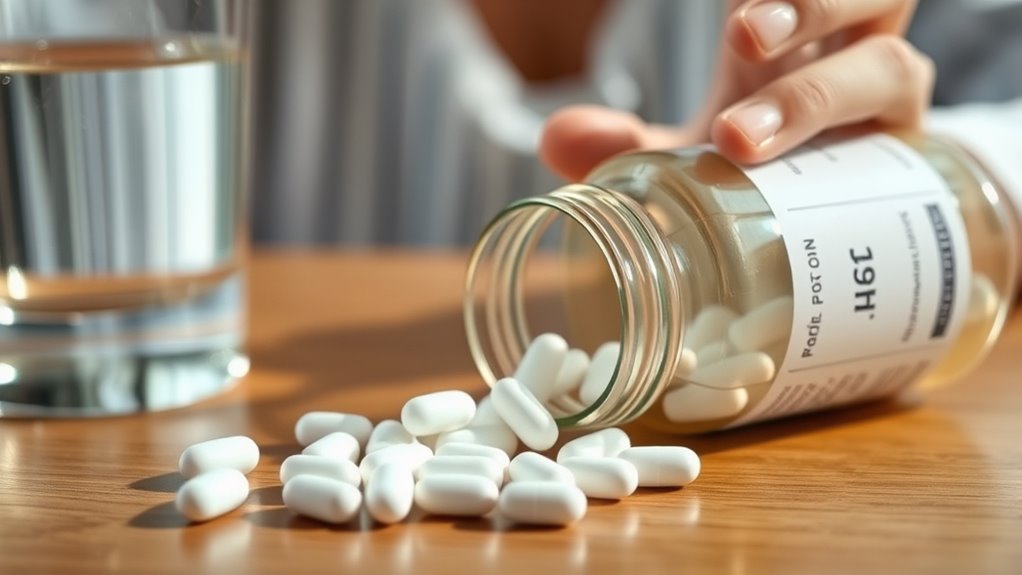
While potassium is essential for your body’s functions, it’s important to stick to safe intake levels to avoid health risks. The recommended amounts for most adults are 2,600 mg for women and 3,400 mg for men, primarily obtained through dietary sources like fruits and vegetables.
If you consider potassium supplements, don’t exceed 100 mEq (about 3,900 mg) daily without consulting health care professionals. Excess potassium, especially from supplements, can cause hyperkalemia, leading to dangerous changes in blood levels and heart rhythms. Those with kidney disease or certain medical conditions must be extra cautious since their bodies may struggle to regulate potassium.
Always seek advice from a healthcare provider before adjusting potassium supplement intake to ensure your levels stay safe and appropriate for your health status.
How to Recognize Potassium Overdose Symptoms Early
You’ll want to watch for early warning signs like muscle weakness, tingling, or cramping, which often appear before more serious symptoms.
Common overdose symptoms include nausea, vomiting, and an irregular heartbeat. Recognizing these signs quickly can help you get medical attention before things get dangerous.
Early Warning Signs
If your potassium levels start to rise dangerously, you might notice early symptoms like nausea, vomiting, or abdominal discomfort before more serious signs appear. Recognizing these early signs is vital to prevent hyperkalemia from worsening. You may feel muscle weakness and fatigue as potassium disrupts normal cell function.
Tingling or numbness around your lips and extremities often signals rising potassium levels. Irregular heartbeats and changes in heart rhythm, such as palpitations or skipped beats, are serious early warnings.
Watch for these key early warning signs:
- Muscle weakness and fatigue
- Tingling or numbness in lips and limbs
- Irregular heartbeats or altered heart rhythm
- Nausea and abdominal discomfort
Act quickly if you notice these symptoms to avoid dangerous complications.
Common Overdose Symptoms
Because potassium overdose can escalate quickly, recognizing the common symptoms early is crucial to getting prompt treatment. You might first notice nausea, vomiting, or abdominal discomfort, signaling high potassium levels.
Muscle weakness and fatigue often follow, which are key overdose symptoms of hyperkalemia. Pay close attention if you experience an irregular heartbeat or palpitations, as these can indicate dangerous potassium elevation. Tingling or numbness around your lips and extremities also suggests trouble.
Most importantly, chest pain or sudden fainting require immediate medical attention, as they can signal severe hyperkalemia. Don’t ignore these signs; early recognition helps prevent serious complications. If you suspect an overdose, seek emergency care right away to protect your heart and overall health.
What to Do If You Take Too Much Potassium
Although taking too much potassium can be dangerous, knowing how to respond quickly can help prevent serious complications. If you suspect a potassium overdose or overconsumption of potassium supplements, seek emergency medical attention immediately, especially if you notice symptoms like irregular heartbeat or weakness.
Hyperkalemia, caused by excess potassium, requires prompt treatment to avoid heart rhythm issues. You should also contact your healthcare provider or poison control center for medical guidance. Don’t try to induce vomiting or self-medicate unless instructed.
To protect your health:
- Recognize and report symptoms quickly
- Seek healthcare without delay
- Monitor blood potassium levels regularly
- Follow your provider’s advice closely
Being proactive ensures safe management after taking too much potassium.
How to Adjust Potassium Intake When Using Medications
When you’re taking medications like ACE inhibitors, ARBs, or potassium-sparing diuretics, you need to be especially careful about your potassium intake since these drugs can raise your potassium levels. These medications increase the risk of hyperkalemia, so avoid potassium supplements unless your healthcare provider advises otherwise. It’s essential to monitor your serum potassium regularly through blood tests, especially if your kidney function is impaired.
Your doctor may recommend a medication adjustment or a reduced dietary potassium intake to prevent dangerous drug interactions. Always inform your healthcare provider about all medications and supplements you’re using. By closely managing your potassium intake and staying vigilant about changes in your potassium levels, you can safely use these medications while minimizing the risk of hyperkalemia.
Tips to Prevent Potassium Overdose While Supplementing
To prevent potassium overdose while supplementing, you need to recognize early symptoms like muscle weakness or irregular heartbeat and keep track of your total potassium intake. Always monitor your blood levels regularly and avoid combining multiple potassium sources without guidance.
Most importantly, consult your healthcare provider before making any changes to your supplementation routine.
Recognize Overdose Symptoms
How can you tell if you’re taking too much potassium? Recognizing the symptoms of potassium overdose is essential to avoid serious health risks like hyperkalemia. If you notice any unusual signs, it’s important to act quickly.
Common symptoms of potassium overdose include:
- Nausea and vomiting
- Irregular heartbeat
- Muscle weakness
- Fainting
These symptoms suggest your potassium levels might be dangerously high. Overdosing often happens when you exceed the recommended dose or have underlying conditions affecting potassium balance. If you experience these symptoms, seek medical help immediately.
Early detection and treatment can prevent complications. Always follow your healthcare provider’s guidance to keep potassium intake safe and effective.
Monitor Potassium Intake
Noticing symptoms of potassium overdose is just one part of staying safe. You need to actively monitor intake to prevent dangerous hyperkalemia. Always stick to your healthcare provider’s recommended supplement dosage and avoid combining supplements with high-potassium dietary sources without guidance.
If you have kidney function issues or take medications affecting potassium, be extra cautious. Regular blood tests are essential for tracking your blood potassium levels, especially when supplementing. These tests help detect rising potassium levels early, allowing timely adjustments.
Paying attention to symptoms of overdose like muscle weakness or irregular heartbeat is vital, but consistent monitoring through blood tests and careful management of your supplement dosage and diet is your best defense against potassium overdose.
Consult Healthcare Providers
You are trained on data up to October 2023. Before you take potassium supplements, always consult your healthcare provider to understand the proper dosage and minimize overdose risks. Your provider will recommend regular blood tests to monitor potassium levels, especially if you have kidney issues or take medications affecting potassium.
Following medical advice closely helps prevent dangerous complications like hyperkalemia.
Keep these points in mind when consulting your healthcare provider:
- Consult before starting potassium supplements to get the right dosage.
- Monitor potassium levels with regular blood tests.
- Report symptoms such as muscle weakness or irregular heartbeat promptly.
- Avoid unmonitored use of potassium-containing salt substitutes.
How and When to Safely Monitor Your Potassium Levels
Since maintaining the right potassium balance is essential, regular blood tests are necessary, especially if you’re taking supplements or have conditions like kidney disease. Monitoring your serum potassium helps detect imbalances early, preventing complications. Your healthcare provider may suggest weekly or monthly tests during dose adjustments.
Be vigilant for symptoms of imbalance such as muscle weakness, irregular heartbeat, or numbness, and report them immediately. While home testing kits exist, use them only under medical supervision to guarantee accuracy. Always follow your doctor’s instructions on supplement dosage and timing to maintain safe potassium levels.
Consistent monitoring combined with prompt attention to symptoms ensures you manage potassium safely and effectively, minimizing risks associated with excessive intake.
Frequently Asked Questions
How Do I Know if I’m Consuming Too Much Potassium?
You’ll know you’re consuming too much potassium if you experience symptoms like irregular heartbeat, muscle weakness, numbness, or nausea. Since these signs can be subtle, it’s important to get regular blood tests, especially if you take supplements or medications affecting potassium. Don’t ignore any unusual feelings, and always follow your healthcare provider’s advice.
If you suspect high potassium, seek medical help promptly to avoid serious complications.
What Happens if You Take Too Much Potassium Supplement?
If you take too much potassium supplement, your heart might decide to throw a wild party with irregular beats, muscle weakness, and numbness as surprise guests. You’ll also get nausea and vomiting, just for fun.
Seriously though, overdosing can lead to hyperkalemia, which can cause dangerous heart rhythms or even cardiac arrest. So, unless you want your heart playing DJ, stick to the recommended dose and consult your doctor.
Can Potassium Help With Leg Cramps?
Yes, potassium can help with leg cramps, especially if your cramps are caused by low potassium levels. You might notice some relief by maintaining adequate potassium intake through foods like bananas or potatoes.
However, supplements aren’t always necessary or effective for everyone. If you’re considering potassium supplements, it’s best to talk to your doctor first to avoid taking too much, which can lead to serious side effects.
Can Potassium Cause Nausea?
Nausea from potassium is like a warning bell ringing in your stomach. Yes, potassium can cause nausea, especially if you take too much or on an empty stomach. It might make you feel queasy or uncomfortable quickly.
To avoid this, you shouldn’t exceed the recommended dose and always take supplements with food. Listening to your body and following guidelines can keep that uneasy feeling at bay and help you manage potassium safely.
Conclusion
Taking potassium supplements is like walking a tightrope—you need balance to avoid tipping into danger. By knowing how much to take, recognizing early signs of overdose, and adjusting for medications, you keep yourself steady.
Think of monitoring your levels as your safety net, catching you before a fall. With careful steps and mindful habits, you’ll safely harness potassium’s power without letting it overwhelm you.
Stay vigilant, and you’ll keep your health in harmony. Remember, understanding how you can safely take too much potassium supplement is key to maintaining your well-being.