How Much Iron Supplement for Anemia Step by Step
If you are dealing with anemia, understanding how much iron supplement to take is crucial for effective treatment. Typically, treatment starts with about 300-325 mg of ferrous sulfate daily, which provides roughly 60-65 mg of elemental iron. This amount helps replenish your iron stores and improve symptoms.
Take the supplement on an empty stomach once or twice a day to boost absorption. Pairing iron with vitamin C can further enhance its effectiveness.
However, your dose might need adjustment based on the severity of anemia and any side effects you experience.
It’s important to monitor your iron levels regularly with your doctor to ensure proper management. Understanding the duration of treatment and how to manage supplements safely is also essential for recovery.
Key Takeaways
- Start with 300-325 mg ferrous sulfate daily, providing about 60-65 mg elemental iron for typical adult anemia treatment.
- Take iron supplements on an empty stomach, ideally 30 minutes before meals, to enhance absorption and reduce side effects.
- Adjust dosage based on anemia severity, age, weight, and tolerance, consulting a healthcare provider for personalized recommendations.
- Monitor hemoglobin and ferritin levels every 4-6 weeks to assess response and guide treatment duration.
- Continue supplementation for 3-6 months after symptoms improve to fully replenish iron stores and prevent relapse.
Recommended Daily Elemental Iron Intake
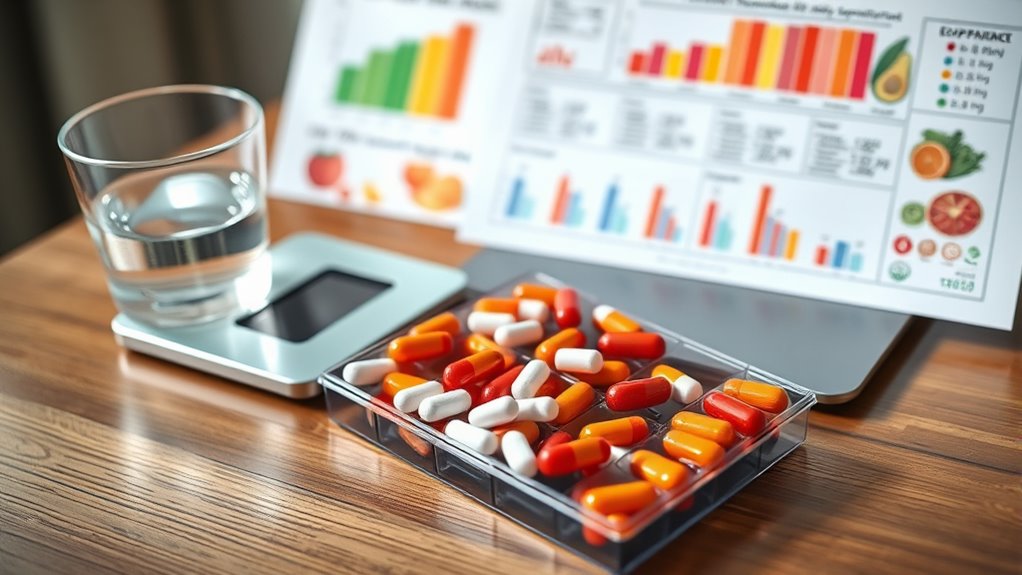
Although iron needs vary, the recommended daily elemental iron intake is 8 mg for adult men and postmenopausal women, 18 mg for most women of reproductive age, and about 27 mg for pregnant women. These values represent the RDA, which guides you on how much iron you need daily to maintain healthy levels and prevent anemia.
When considering iron supplements, it’s important to know that common formulations like ferrous sulfate contain about 20% elemental iron—meaning a 325 mg tablet provides roughly 65 mg of elemental iron. However, you shouldn’t exceed a total daily intake of 45 mg of elemental iron from both diet and supplements unless advised by a healthcare provider.
Sticking to these RDA guidelines helps you safely meet your iron needs without risking toxicity.
Initial Iron Supplement Dose and Influencing Factors
When starting iron supplements for anemia, the usual dose of ferrous sulfate for adults is 300-325 mg once daily, delivering about 60-65 mg of elemental iron. This initial dose may be adjusted based on several dosing factors, including the severity of your anemia, age, weight, and any underlying health conditions. For more severe anemia, your doctor might recommend a higher or more frequent dose.
In children, dosing is typically calculated by weight, often around 1 mg/kg/day, until iron-rich foods are introduced. Additionally, the form of ferrous sulfate you take—regular or extended-release—and whether you take vitamin C alongside it can affect how well your body absorbs elemental iron. Considering these dosing factors helps guarantee you get enough iron to correct your deficiency safely and effectively.
Ferrous Sulfate vs. Other Iron Supplements
If you’re considering iron supplements, ferrous sulfate is usually the go-to choice because it provides about 20% elemental iron per tablet and tends to be more bioavailable and affordable than other options. This higher bioavailability means your body can absorb more iron effectively, helping to correct anemia faster.
Other supplements like ferrous gluconate and ferrous fumarate offer similar or slightly lower amounts of elemental iron but might cause less stomach discomfort. Extended-release or enteric-coated forms aim to reduce gastrointestinal irritation but sometimes sacrifice absorption efficiency.
Additionally, specialized options like ferric citrate serve unique needs, such as managing phosphorus levels in dialysis patients. When choosing your iron supplement, balancing elemental iron content, bioavailability, tolerance, and cost is key to effective anemia treatment.
When and How Often to Take Iron Supplements
Choosing the right iron supplement is just one part of managing anemia effectively; knowing when and how often to take it plays a big role too. The dosage and timing impact iron supplements’ absorption and overall success in raising your iron levels. Here’s what you should keep in mind:
- Take iron supplements once or twice daily, based on your healthcare provider’s advice and anemia severity.
- Aim for consistent timing to improve absorption and reduce side effects.
- Take your iron 30 minutes before meals or two hours after eating, on an empty stomach for best absorption.
- For prevention, a once-daily dose at the same time helps maintain adequate iron levels.
Following these guidelines ensures you get the most from your iron supplements.
When to Adjust Your Iron Supplement Dose
Although starting an iron supplement is important, knowing when to adjust your dose is essential to managing anemia effectively. You should consider adjusting your dose if you experience significant side effects like severe stomach upset or constipation, as these may mean your current dose is too high or the formulation isn’t right for you.
Blood tests after 4 to 6 weeks can also guide adjustments; if your hemoglobin and ferritin levels aren’t improving, your healthcare provider might increase or modify your dose. Pregnant women often need dose changes based on trimester and test results to balance sufficient iron without risking toxicity.
Once your anemia symptoms resolve and blood work normalizes, your doctor may advise gradually reducing or stopping the dose. In cases of ongoing blood loss, your dose may need to be increased to meet your body’s needs.
How to Manage Iron Supplement Side Effects
Since iron supplements often cause gastrointestinal side effects like constipation, nausea, or stomach upset, managing these reactions is key to maintaining your treatment. You can improve your experience and iron absorption with a few simple steps:
- Start with a lower dose and gradually increase it to reduce gastrointestinal side effects.
- Take iron with food to minimize stomach irritation, but include vitamin C-rich foods to boost iron absorption.
- If side effects persist, talk to your healthcare provider about dose adjustment or alternative formulations.
- Seek immediate medical help if you experience severe reactions like vomiting or allergic symptoms.
How Long to Take Iron Supplements for Anemia
You’ll usually need to take iron supplements for at least 3 to 6 months to fully recover from anemia. How long you continue depends on your follow-up blood tests and how well your iron levels improve.
Sometimes, treatment can last longer if your condition is more complex or chronic.
Typical Treatment Duration
When treating anemia, you’ll generally need to continue iron supplements for at least 3 to 6 months after your symptoms improve to fully replenish your iron stores. The treatment duration can vary, so monitoring your iron levels is essential to determine when to stop.
Here’s what you should keep in mind:
- Iron therapy typically lasts 3-6 months beyond symptom relief to restore iron reserves.
- Regular blood tests every 4-6 weeks help track hemoglobin and ferritin levels.
- Stopping supplements too soon risks anemia relapse, so follow your healthcare provider’s advice.
- Some cases, like pregnancy or chronic illness, may require longer or ongoing supplementation.
Factors Influencing Duration
Although the typical iron supplementation period lasts 3 to 6 months, how long you’ll need to take iron depends on several factors like the severity of your anemia, its underlying cause, your age, and how well you respond to treatment. The duration is often adjusted based on follow-up blood tests that check your iron levels and hemoglobin. Treatment usually continues for at least three months after your hemoglobin normalizes to fully restore iron stores.
If you have chronic iron deficiency or ongoing blood loss, your doctor might recommend long-term or maintenance therapy. Ultimately, the duration is personalized to ensure your body recovers properly, so regular monitoring is key to deciding when to stop or adjust your iron supplementation.
When to Talk to Your Doctor About Iron Dosage
Before starting any iron supplement, it’s important to consult your doctor to determine the right dosage based on your specific blood test results and health needs. You shouldn’t self-medicate, as too much iron can be toxic.
Here are key moments to talk to your doctor about your iron dosage:
- If you experience persistent side effects like nausea, constipation, or stomach pain.
- When your anemia symptoms, such as fatigue and pallor, don’t improve after 2-4 weeks of taking iron.
- To regularly monitor your iron levels through blood tests and adjust the dosage accordingly.
- If you suspect an overdose or accidental ingestion, especially in children.
Always follow your doctor’s guidance to safely and effectively manage your iron supplementation.
Frequently Asked Questions
How Much Iron Supplement Should I Take if I Am Anemic?
If you’re anemic, you’d typically take around 200-300 mg of elemental iron daily, split into two doses. The exact amount depends on your healthcare provider’s advice since they’ll tailor it to your needs. Don’t exceed recommended doses to avoid side effects.
Treatment usually lasts several months until your iron levels improve. Always follow your doctor’s instructions carefully to safely and effectively manage your anemia with supplements.
Conclusion
Taking iron supplements for anemia is like planting seeds—you need the right amount, timing, and care for them to grow strong. Stick to the recommended dose, pay attention to how your body reacts, and don’t hesitate to adjust or consult your doctor if needed.
Remember, patience is key; with consistent effort, you’ll nourish your body back to health and feel your energy bloom again. Keep at it, and soon you’ll see the results. Following how much iron supplement for anemia step by step ensures effective recovery and improved well-being.