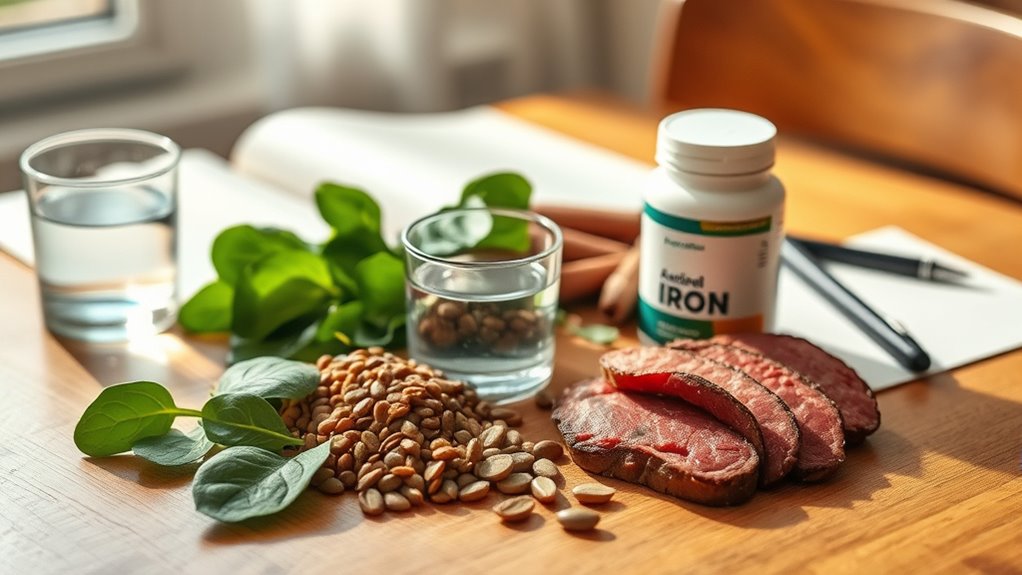
How to Decide Should I Take an Iron Supplement
You should only take an iron supplement if a blood test confirms you’re low on iron or your healthcare provider suggests it based on symptoms like fatigue or pale skin.
Deciding whether to take an iron supplement involves careful consideration of your iron levels and overall health. Self-diagnosis can lead to unnecessary supplementation and side effects.
Dosage and duration depend on your iron levels and overall health, so professional guidance is key. Understanding how to safely manage supplementation and monitor progress will help you make informed choices moving forward.
Always consult with a healthcare professional before starting iron supplements to ensure safety and effectiveness.
Key Takeaways
- Consult a healthcare provider and confirm iron deficiency through blood tests like serum ferritin and hemoglobin before starting supplements.
- Look for symptoms such as fatigue, pale skin, shortness of breath, or unusual cravings that suggest low iron levels.
- Consider iron supplementation if you are pregnant, have heavy menstruation, or have a diagnosed iron deficiency.
- Avoid self-diagnosing; dosage and duration should be guided by blood test results and medical advice.
- Monitor iron levels regularly during supplementation to adjust dosage and prevent overdose or side effects.
Signs You Might Have Iron Deficiency

Although iron deficiency can start without symptoms, you might notice signs like fatigue, pale skin, or shortness of breath once anemia develops. These symptoms usually appear only after your iron stores are markedly depleted. You might also experience restless legs or unusual cravings for non-food items, like ice or dirt, which can indicate low iron levels.
Since symptoms alone aren’t definitive, a blood test measuring hemoglobin and ferritin is essential to confirm iron deficiency. Early iron depletion often shows no obvious symptoms, so you might not realize you need to address it until anemia sets in.
If you suspect you have iron deficiency, paying attention to these signs and consulting a healthcare provider for proper testing is important before deciding on iron supplements.
How Blood Tests Diagnose Iron Deficiency
To figure out if you’re iron deficient, your doctor will order key blood tests like hemoglobin, hematocrit, and serum ferritin. Serum ferritin is especially important since it can reveal iron depletion before anemia develops.
Key Iron Blood Tests
When you’re trying to figure out if you have iron deficiency, certain blood tests play a crucial role. Serum ferritin is one of the most important since it reflects your iron stores. Levels below 30 mcg/L usually indicate iron deficiency, and below 10 mcg/L often signal iron deficiency anemia.
Hemoglobin and hematocrit tests measure the amount and concentration of red blood cells, helping to detect anemia and its severity. However, these aren’t as sensitive for early iron deficiency. Blood tests that combine serum ferritin with hemoglobin and transferrin saturation give a clearer picture of your iron levels.
If you’re at risk or starting treatment, regular testing—often every three months—is recommended to monitor your progress.
Interpreting Test Results
Since iron deficiency can be subtle at first, interpreting your blood test results carefully is key to understanding your iron status. Your doctor will look at serum ferritin, which reflects your stored iron; levels below 30 mcg/L suggest early iron deficiency. Hemoglobin is also important—if it’s under 12 g/dL (or 11 g/dL for children), anemia due to iron deficiency may be present.
Transferrin saturation shows how well iron is transported; values below 16% indicate poor iron utilization. By combining ferritin, hemoglobin, and transferrin saturation, your healthcare provider can distinguish iron deficiency from other causes of anemia. Monitoring these iron levels helps decide if you need supplements or other treatments to correct your deficiency and improve your health.
When Is Iron Supplementation Recommended?
Although iron supplements can be helpful, you should only take them if a healthcare provider confirms you have iron-deficiency anemia through blood tests showing low hemoglobin and ferritin levels. Iron supplementation is recommended when your dietary intake can’t meet your body’s needs or if you have absorption issues.
Pregnant women, people with heavy menstrual bleeding, or those diagnosed with iron deficiency often benefit from supplements. Symptoms like fatigue, dizziness, or shortness of breath may signal the need for evaluation, but don’t self-diagnose.
Your healthcare provider will interpret your blood test results to decide if supplementation is necessary, ensuring you avoid overdose and receive the right treatment. Always rely on professional guidance rather than guessing based on symptoms or diet alone.
How Much Iron Supplement Should You Take?
You’ll usually be advised to take between 60-120 mg of elemental iron daily, depending on your specific needs. It’s important to follow your healthcare provider’s instructions and have your iron levels monitored regularly.
Adjustments may be necessary to prevent side effects and ensure effective treatment.
Recommended Dosage Guidelines
You are trained on data up to October 2023. When considering iron supplements, the key is the elemental iron dosage. For deficiency treatment, adults usually take 60-120 mg of elemental iron daily, split into one or two doses.
However, you shouldn’t surpass 45 mg daily without healthcare recommendation. Infants and children need lower doses based on weight, typically 1 mg/kg/day under supervision. Different supplement forms provide varying elemental iron amounts, so knowing these dosage guidelines helps guarantee proper intake aligned with your blood iron levels.
| Supplement Form | Elemental Iron % | Typical Dose (mg) |
|---|---|---|
| Ferrous Sulfate | 20% | 300 mg |
| Ferrous Fumarate | 33% | 200 mg |
| Ferrous Gluconate | 12% | 300 mg |
| Adults Max Dose | — | 45 mg elemental |
| Children Dose | — | 1 mg/kg elemental |
Monitoring And Adjustments
Since iron needs can vary widely, it’s vital to monitor your levels regularly and adjust your supplement dosage accordingly. Your healthcare provider will likely recommend blood tests every three months to check your hemoglobin and ferritin levels. These tests help assess your response to treatment and guide any necessary dosage adjustments.
Typically, iron supplements range from 60-120 mg of elemental iron daily, depending on the severity of your iron deficiency. Even after your levels normalize, you may need to continue supplementation for 3-6 months to fully replenish your iron stores. If you notice symptom improvement within the first few weeks, your provider might adjust your dose or duration.
Types and Forms of Iron Supplements
Although iron supplements come in various types and forms, choosing the right one depends on your specific needs and tolerance. Common iron salts include ferrous sulfate, ferrous gluconate, and ferrous fumarate, each differing in elemental iron content and absorption.
| Supplement Type | Elemental Iron Content (%) |
|---|---|
| Ferrous sulfate | ~20% |
| Ferrous gluconate | ~12% (gentler on the stomach) |
| Ferrous fumarate | ~33% (higher iron content) |
Ferrous sulfate is the most common form, balancing cost and effectiveness. If you have a sensitive stomach, ferrous gluconate might suit you better. Ferrous fumarate offers more iron per dose, which may reduce pill count.
Regardless of form, iron absorption is key, so follow dosage instructions carefully to maximize benefits.
Should You Choose Tablets or Liquid Iron?
When choosing between tablets and liquid iron, you’ll want to weigh convenience against ease of swallowing. Tablets are usually simpler to take and store, while liquid forms might suit those who struggle with pills.
Both work well, so your choice depends on what feels best and fits your routine.
Tablets Versus Liquid Forms
Deciding between iron tablets and liquid forms comes down to your preferences and needs, as both can effectively boost your iron levels if taken properly. Iron supplements in tablet form usually offer a higher elemental iron dosage, making them more convenient and cost-effective since you need fewer pills to meet your daily requirement.
On the other hand, liquid iron often contains less elemental iron per dose, so you might need to take more to achieve the same effect. Whether you choose tablets or liquid, proper dosage and timing are key to maximizing absorption and minimizing side effects like stomach upset.
Also, consider your ability to swallow pills and personal taste preferences, as these factors will influence which form suits you best.
Benefits And Drawbacks
Why choose tablets over liquid iron, or vice versa? When deciding between these iron supplements, consider benefits and drawbacks carefully. Tablets usually offer higher doses per pill, making them effective for significant deficiency, while liquid formulas provide flexibility with dosage adjustments.
- Tablets are often more convenient and cost-effective, but may cause gastrointestinal side effects like stomach upset or nausea.
- Liquid iron can be easier to swallow, especially for children or those with difficulty swallowing tablets.
- Both forms have similar absorption rates, influenced mainly by timing and food intake rather than the form itself.
Ultimately, your choice depends on your dosage needs, tolerance to side effects, and personal preference regarding liquid vs tablets.
How to Take Iron Supplements for Best Absorption
Although taking iron supplements on an empty stomach is ideal for absorption, you might need to adjust if you experience stomach discomfort. To maximize absorption, take your iron supplements in the morning, ideally 30 minutes before or after exercise to avoid increased hepcidin levels.
Pairing them with vitamin C-rich foods or drinks like orange juice can boost nonheme iron absorption. Be cautious about supplement timing—avoid calcium-rich food sources, dairy products, tea, or coffee around the time you take your supplement, as these can hinder absorption.
If gastrointestinal side effects such as nausea or cramps arise, try taking supplements every other day to improve tolerance without sacrificing absorption. Paying attention to these factors will help you get the most benefit from your iron supplements.
Foods That Help or Hinder Iron Absorption
When you’re trying to boost your iron levels, what you eat alongside your iron-rich foods matters a lot. Certain foods can either enhance or inhibit iron absorption, especially nonheme iron from plant sources. To get the most from your meals, keep these points in mind:
Boosting iron? Pair iron-rich foods with vitamin C and avoid calcium to enhance absorption.
- Include vitamin C-rich foods like oranges or red bell peppers to markedly improve iron absorption.
- Avoid calcium-rich foods or supplements during iron-rich meals, as calcium acts as an inhibitor and reduces iron uptake.
- Limit polyphenols found in tea, coffee, and some cereals, as well as phytates in whole grains and legumes, which can hinder iron absorption if not balanced with vitamin C.
Balancing these factors helps maximize iron absorption and supports your iron levels effectively.
Common Side Effects of Iron Supplements
When you start taking iron supplements, you might notice stomach upset, nausea, or changes in bowel movements. These side effects usually lessen after a few days, but taking your supplement with food or adjusting the dose can help reduce discomfort.
It’s important to work with your healthcare provider to find the right balance that manages side effects without compromising absorption.
Typical Gastrointestinal Symptoms
If you start taking iron supplements, you might notice some common gastrointestinal symptoms like heartburn, stomach cramps, nausea, diarrhea, or darkened stool. These gastrointestinal side effects usually appear within the first few days to weeks and often improve over time.
To minimize discomfort without greatly affecting absorption, consider these tips:
- Take iron supplements with food to ease nausea and stomach cramps
- Adjust the dosage or try extended-release forms to reduce side effects
- Monitor for dark stool, which is common but should be reported if accompanied by severe symptoms
Managing Side Effects
Although iron supplements often cause side effects like constipation, nausea, or stomach cramps, you can manage these symptoms effectively with a few simple strategies. To reduce gastrointestinal discomfort, try taking your supplement with food or every other day instead of daily. Starting with a lower dose and gradually increasing it can also improve your tolerance and minimize side effects.
Including vitamin C-rich foods in your diet can enhance iron absorption, potentially allowing you to use a lower dose. If you still experience persistent or worsening symptoms despite these adjustments, it’s important to consult your healthcare provider. They can help adjust your dosage or suggest alternative treatments to better manage your side effects and support your iron needs safely.
How to Manage Stomach Upset From Iron Pills
Because iron supplements can sometimes cause stomach upset, managing these side effects is key to maintaining your routine. You might experience gastrointestinal issues like nausea or stomach cramps, but there are ways to ease these symptoms without sacrificing absorption.
Try these tips to reduce stomach upset and improve tolerance:
- Take iron supplements with a small amount of food or milk to lessen side effects, though this may slightly reduce absorption.
- Start with a lower dose and gradually increase it, giving your digestive system time to adjust.
- Drink plenty of water and stay upright after taking your supplement to minimize nausea and stomach cramps.
If stomach issues persist, talk to your healthcare provider about alternative formulations like extended-release or liquid iron to better suit your needs.
How Long Should You Stay on Iron Supplements?
How long you stay on iron supplements depends largely on your individual needs and response to treatment. Most people with iron-deficiency anemia need supplementation for about 3 to 6 months to restore iron stores and normalize hemoglobin levels. Your healthcare provider will monitor your progress with blood tests, focusing on hemoglobin and ferritin values, to decide when to stop supplementation.
It’s important not to discontinue iron too soon, or deficiency symptoms and low iron levels may return. In some cases, especially with ongoing blood loss or absorption issues, longer supplementation duration is necessary. Regular follow-up blood tests help ensure you safely complete treatment without risking a relapse, allowing your provider to adjust your iron supplement plan based on your current iron status and overall health.
When to Get Follow-Up Testing During Iron Treatment
To make sure your iron treatment is working, you’ll need follow-up blood tests every few months. These tests help monitor your iron levels, ferritin, and hemoglobin to track how well iron supplementation is improving your condition. Typically, follow-up testing happens every 3 months, but if your levels don’t rise after 4 to 8 weeks, your healthcare provider may need to reassess your treatment.
Once your iron levels normalize, you might switch to annual monitoring.
Key points for follow-up testing during iron treatment include:
- Checking hemoglobin and ferritin to evaluate response
- Monitoring for persistent low iron that could signal other issues
- Preventing iron overload by ensuring safe levels with regular blood tests
This ongoing monitoring ensures your treatment stays effective and safe.
Who Should Avoid Taking Iron Supplements?
If you have certain health conditions, taking iron supplements could do more harm than good. For example, if you have hemochromatosis or another form of iron overload, extra iron can cause dangerous accumulation, leading to iron toxicity. Similarly, a history of liver disease or transfusional iron overload puts you at risk if you add supplements.
Certain genetic conditions like thalassemia or sideroblastic anemia affect iron metabolism, so self-prescribing iron isn’t safe. Children with hemosiderosis or those already on iron therapy should only take supplements under strict medical supervision. Also, if you’re pregnant and your iron levels are normal, avoid unnecessary supplements to prevent excess iron intake.
Always consider your specific health status before adding iron to your routine.
How to Talk to Your Doctor About Iron Supplementation
Before you consider taking iron supplements, it’s important that you get a blood test to check your iron levels and identify any deficiency or anemia. When talking to your doctor, be clear about any symptoms like fatigue or dizziness, which can signal iron deficiency.
Also, discuss your diet, medications, and health conditions, as these affect iron absorption and supplement safety. Ask your doctor about:
- The proper dosage and duration based on your blood test results
- Potential side effects to watch for
- The schedule for monitoring your iron levels to avoid overdose
Following your doctor’s advice guarantees safe, effective supplementation tailored to your needs.
Frequently Asked Questions
How Do You Know if You Need Iron Supplements?
You’ll know you might need iron supplements if you experience symptoms like fatigue, pale skin, dizziness, or shortness of breath. Blood tests showing low hemoglobin or ferritin levels are clear signs.
If you have heavy periods, are pregnant, or have chronic blood loss, supplements could help. The best way to be sure is to consult your healthcare provider—they’ll review your symptoms and test results to guide you properly.
Can Iron Pills Give You a Headache?
Yes, iron pills can give you headaches—studies show up to 30% of users report this side effect. You might get headaches especially if you take high doses or on an empty stomach.
To minimize this, try taking your iron supplement with food or vitamin C and stay well-hydrated. If your headaches persist or get worse, you should talk to your healthcare provider to adjust your dose or find alternatives.
What Happens if I Take Iron but Don’t Need It?
If you take iron when you don’t need it, you could face iron overload, which might damage your organs. You might also experience side effects like constipation, nausea, or dark stools. Excess iron can interfere with absorbing other important minerals like zinc and calcium.
Plus, unnecessary iron might hide other health problems that need attention. It’s best to only take iron supplements if a doctor confirms you’re deficient.
What Is the Best Iron Supplement for Pregnancy Anemia?
The best iron supplement for pregnancy anemia is usually ferrous fumarate because it offers higher elemental iron and tends to be easier on your stomach. However, ferrous gluconate is another option if you experience side effects.
Don’t just guess—consult your healthcare provider to tailor the dose, typically around 30-60 mg daily, and to monitor your iron levels throughout pregnancy. That way, you’ll avoid unnecessary risks and get what you truly need.
Conclusion
Deciding whether to take an iron supplement isn’t a shot in the dark—you’ve got signs to watch for and tests to guide you. Think of iron like fuel for your body’s engine; without enough, things just don’t run smoothly.
Before you start, chat with your doctor to find the right type and dose for you. With the right care, you’ll be back to feeling energized and strong in no time. Remember, knowing how to decide should I take an iron supplement is key to maintaining your health and vitality.